Why Older-Car Owners Need a Different Renewal Strategy
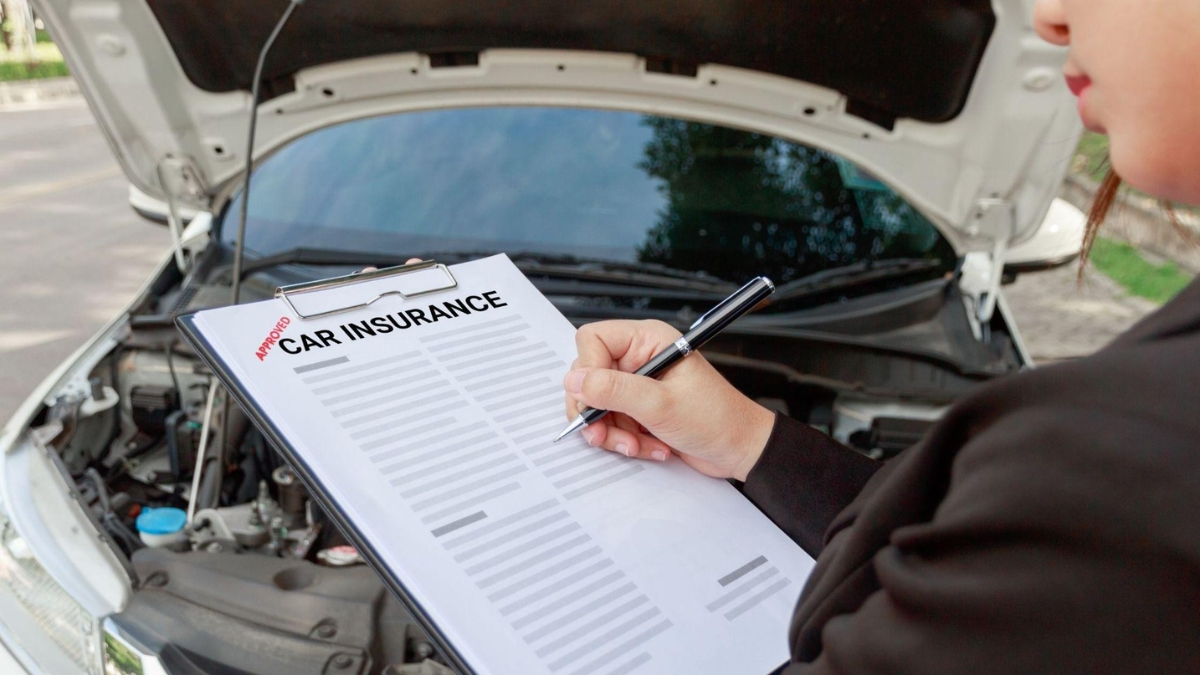
Mumbai (Maharashtra) [India], June 4: Renewing car insurance for an older vehicle is often treated as a routine task, but the needs of a car can change significantly over time. As a vehicle ages, its market value declines, repair costs may vary, and certain policy features that were once useful may become less relevant.
At the same time, older cars can face a higher risk of mechanical issues and wear-related damage, making adequate coverage an important consideration. A careful review before renewal can help ensure that the policy remains suitable, cost-effective, and aligned with the vehicle’s current condition and usage.
Car Value Reduces Every Year
As a car gets older, its market value usually moves down. This change matters because the value selected in the policy can affect certain claim situations, as mentioned in the policy wording.
A lower value may reduce the premium, but it can also lower the amount considered in some claims. A higher value may increase the premium, but it should still match the car’s condition. When owners buy car insurance online or renew an existing policy, they should review the car’s age, usage, service record, and general condition before selecting the value.
Repair Costs Increase with Age
Older cars may need more repair work because parts and systems can wear down over time. Even a regularly serviced vehicle may need extra attention as it ages.
During renewal, owners should look at how useful the cover will be if the car needs repair after an insured event. The policy should be reviewed for garage access, claim process, repair support and own-damage cover. A car used daily may need a different plan from one used occasionally.
Some Add-Ons No Longer Make Financial Sense
Add-ons can be useful when they match the vehicle’s age and use. However, the same add-ons may not remain suitable throughout the car’s life.
Some add-ons may cost more than the value they offer for an older car. Others may not be available after a certain vehicle age, depending on insurer guidelines and policy terms. Owners should keep only the add-ons that support a clear need and avoid renewing extras only because they were selected earlier.
Breakdown Assistance Becomes More Important
An older car may be more likely to face sudden trouble during travel, especially if it is used often or taken on longer routes. This makes breakdown assistance worth reviewing at renewal.
This feature may support towing, minor on-road help or service coordination, based on the policy terms. Before adding it, owners should read the conditions carefully. Service location, usage limits, and available support should match the way the car is normally driven.
IDV Needs Careful Review
IDV means Insured Declared Value. It is the value considered by the insurer in certain situations, based on the policy terms.
For older cars, IDV should not be treated only as a way to reduce premiums. Setting it too low may affect the amount considered in relevant claim situations. A fair IDV should reflect the car’s age, condition, and current value. Owners should compare the suggested value with the car’s actual state before renewal.
Policy Terms Can Change for Older Vehicles
Insurance terms can differ as a vehicle gets older. These changes may relate to cover, add-ons, inspection, or claim conditions. Reading the renewal details before payment can prevent confusion later. The following checks can make the review simpler:
- Confirm whether own-damage cover is available for the car.
- Review add-on eligibility before selecting any extra cover.
- Check whether an inspection is needed before renewal.
- Compare garage access with your regular travel areas.
- Read deductible and claim-related conditions carefully.
- Ensure third party insurance remains active as required by law.
Continuing the Same Policy Can Increase Costs
Renewing the same policy without review may lead to paying for cover that no longer suits the car. Older vehicles need a fresh look at every renewal. Convenience is useful, but renewal should still be checked against current needs. A simple review can support a more suitable decision:
- Match the premium with the vehicle’s present value.
- Remove add-ons that no longer serve a clear need.
- Adjust IDV only after checking the car’s condition.
- Compare the cover type with the car’s daily usage.
Conclusion
Older-car insurance renewal should focus on value, use, and repair needs together. Repeating last year’s policy or reducing the premium without review may not suit the vehicle’s current condition. Owners should review IDV, add-ons, breakdown support, garage access, and policy terms before renewing. A clear renewal check can make the policy more suitable for the car’s present stage and reduce renewal-related doubts at a later stage during future policy checks.
If you object to the content of this press release, please notify us at [email protected]. We will respond and rectify the situation within 24 hours.