Hospitality Thinking Isn’t Just for Hotels: Why Hospitals, Banks, and Retail Stores Are Quietly Borrowing the Industry’s Playbook By Brendon Pereira
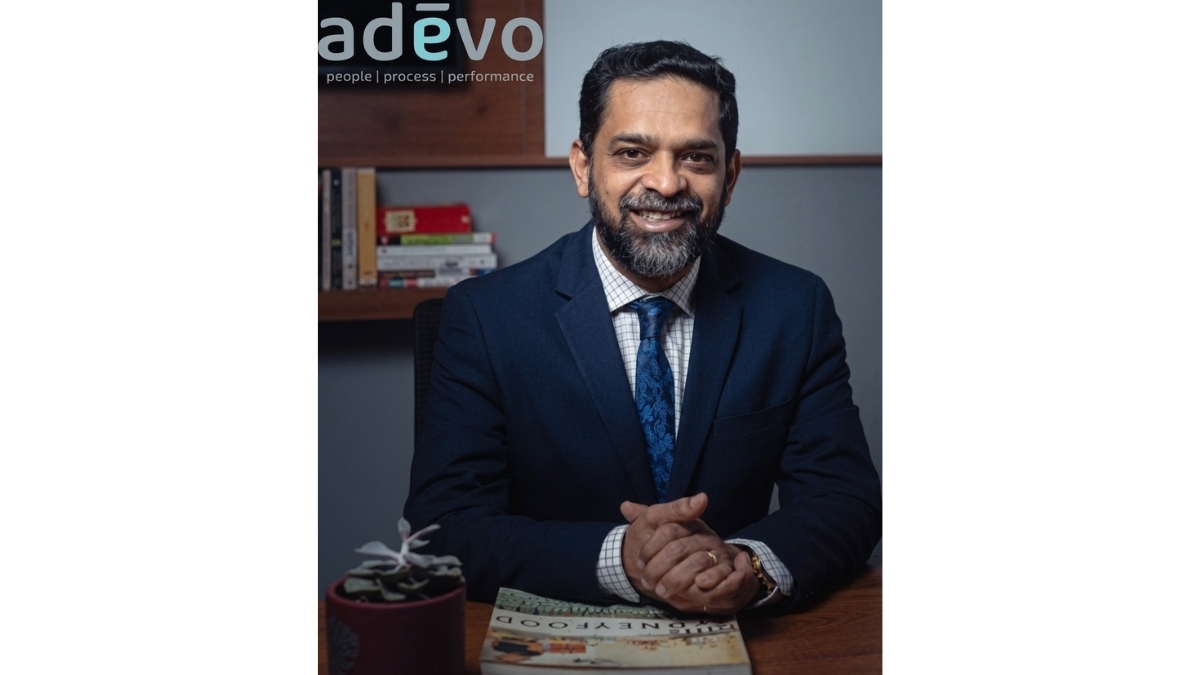
Brendon Pereira, Co-Founder, Adevo Academy
New Delhi [India], July 27: There is a moment every seasoned hotelier recognises. A guest walks into a lobby, uncertain, slightly overwhelmed. Before they reach the front desk, a well-trained staff member has already made eye contact, smiled, and moved toward them. The guest doesn’t know it yet, but their experience has already been designed — not by accident, but by a system.
That system has a name. We call it hospitality training. And for the past three decades, it has been considered the exclusive domain of hotels, restaurants, and resorts.
That assumption is now obsolete.
The Quiet Migration
Walk into a premium private hospital in Bengaluru today. Notice how the front desk team greets you. Observe how the patient coordinator escorts a family to the ward, anticipates questions before they are asked, and closes the interaction with a clear next step. That is not healthcare administration. That is hospitality thinking — applied to a clinical environment.
The same is happening in banking. Branch managers at progressive private banks are now conducting daily pre-shift briefings — a practice borrowed directly from hotel F&B operations. Retail chains are investing in “guest experience” frameworks — a term that did not exist in their vocabulary five years ago.
This is not a coincidence. It is a structural shift.
Industries that depend on human-to-human interaction are waking up to a truth that hospitality has known for decades: the quality of your service delivery is inseparable from the quality of your staff training. Products can be replicated. Technology can be licensed. The behaviour of a trained human being — in the moment of service — cannot be copied overnight.
What These Industries Are Actually Borrowing
The hospitality playbook is not a script. It is a system. And three elements of that system are being actively adopted outside the traditional sector.
Standard Operating Procedures tied to behaviour, not just process. In hospitality, an SOP is not a checklist on a wall. It is a set of trained behaviours that become instinctive. The best hospitals are now building patient interaction SOPs — not just clinical protocols — that govern how a nurse enters a room, how a discharge is communicated, and how a complaint is received. The language is different. The architecture is identical.
Pre-service briefings as a performance tool. Every well-run hotel restaurant conducts a daily briefing before service begins — covers of the day, VIP guests, staff positioning, special requirements. A handful of forward-thinking retail chains in India have now adopted the same practice for their store teams. The outcome is predictable: more prepared staff, fewer exceptions, more consistent guest experience.
Measurement of service, not just satisfaction. Hospitality has always measured guest experience through review scores, mystery audits, and repeat visit rates. Progressive hospitals are now building the same measurement infrastructure — not just patient satisfaction surveys, but operational metrics that link training inputs to experience outputs
The Training Gap Nobody Is Talking About
Here is the uncomfortable reality. Most organisations outside hospitality are borrowing the philosophy without investing in the infrastructure. They are adopting the vocabulary — “customer experience,” “service culture,” “brand ambassador” — without building the training systems that make those words operational.
This is where the gap lives. And it is significant.
At Adevo Academy, we built our training and consulting model for the hospitality sector. But over the past three years, we have increasingly found ourselves fielding conversations from healthcare operators, retail chains, and corporate services companies who recognise the gap between their service ambitions and their frontline capability. The problem statement is identical. The solution architecture is transferable.
What we have learned is this: the challenge is never the absence of willingness. Organisations want to deliver better service. The challenge is always the absence of a structured training system — one that converts that willingness into consistent, measurable behaviour on the floor.
The Broader Implication
India’s service economy is growing faster than its training infrastructure. We are building premium hospitals, flagship retail stores, and digital-first banks — and staffing them with teams that have never been trained to deliver the experience those environments promise.
The hospitality industry figured this out a long time ago. The training investment is not a cost centre. It is the operating system of the service experience.
Every industry that depends on human service delivery will eventually arrive at this conclusion. The only variable is how long it takes — and how much customer trust is lost in the interim.
The playbook exists. The evidence is decades old. The only question is which industries are willing to pick it up.Brendon Pereira is the Co-Founder of Adevo Academy (95hm Learning Solutions Pvt Ltd), a Bengaluru-based hospitality training and consulting firm. Adevo works with hotels, restaurant groups, airports, and corporate organisations to build structured training systems and SOPs that deliver measurable service outcomes. www.adevo.in
If you object to the content of this press release, please notify us at [email protected]. We will respond and rectify the situation within 24 hours.