
Why a Preschool Franchise is a Recession-Proof Business Model
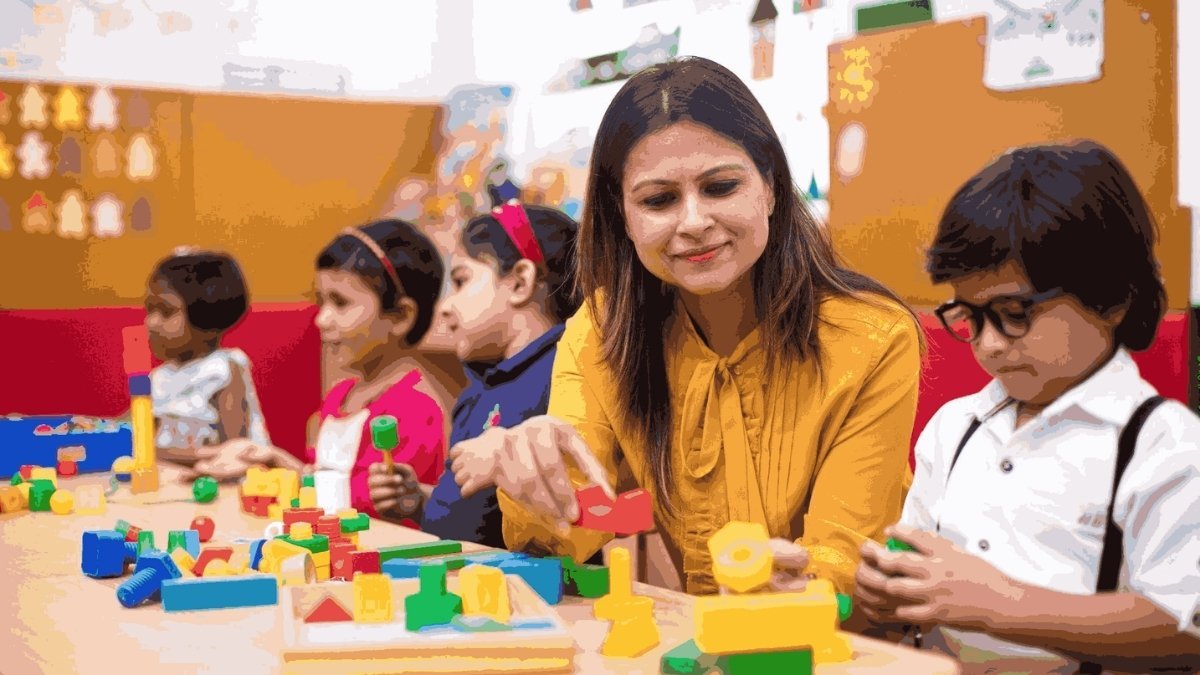
New Delhi [India], February 04: During economic slowdowns, families often reduce discretionary spending, but early education usually remains a priority because it supports a child’s routine and development and helps parents manage daily schedules. This is why a preschool franchise is often considered a relatively stable business model. While demand can fluctuate, well-run preschools typically see fewer disruptions than many consumer-focused sectors.
What Recession-Proof Really Means in Early Education
In practical terms, the business can remain stable because a recurring life-stage need drives enrolments. Parents may become more value-conscious, but they still prioritise safety, care, and structured learning when their child reaches the preschool years.
Why Preschool Demand Stays Relatively Steady in Downturns
A recurring life-stage need drives preschool enrolment, so families tend to prioritise it even when budgets tighten.
Parents Prioritise Routine and Safe Care
For working families, preschool is not just a learning space. It is a dependable daily routine that supports productivity and peace of mind. Even when budgets tighten, families often try to maintain stable childcare and early learning arrangements rather than switching frequently.
Early Learning is Seen as a Foundation Stage
Parents typically view the preschool years as crucial for language development, social skills, confidence-building, and classroom readiness. When they feel a centre is genuinely helping their child grow, they are more likely to continue, even if they cut back in other areas.
Trust and Experience Drive Referrals
Preschools grow through local reputation. In uncertain times, parents lean more heavily on recommendations and observed outcomes. A centre that consistently delivers a warm, safe, well-managed experience becomes the first choice in the community.
How a Preschool Franchise Reduces Business Risk in Uncertain Markets
A franchise model adds stability because it is built on repeatable systems rather than improvisation. For first-time operators, this can make a meaningful difference.
A Defined Curriculum and Classroom System
In a good network, the learning programme is not left to individual teaching styles. You typically receive structured lesson plans, classroom routines, and activity guidance that help maintain consistency. When delivery is consistent, parent satisfaction tends to be more predictable, which supports steady enrolments.
Training That Strengthens Execution
Preschool operations depend heavily on staff capability. Strong franchise models support training for educators and centre leadership, covering classroom delivery, child guidance, parent communication, and daily processes. Better training reduces operational surprises and helps the centre maintain quality standards during staff transitions.
Launch and Marketing Enablement
During downturns, marketing needs to be sharper and more locally relevant. Franchise support often includes admissions process guidance, communication templates, and local marketing frameworks. This helps centres stay visible without relying on random promotional spending.
Operational Support and Quality Monitoring
Many networks provide ongoing guidance to maintain standards in safety, hygiene, classroom management, and parent communication. This continued support helps the centre stay aligned to consistent service delivery, which matters more when families are cautious and comparing options closely.
What Makes a Preschool Franchise More Resilient Than Others
A preschool franchise becomes resilient when it is built on delivery quality, not just branding. Before you invest, evaluate the franchise model on the parts that protect day-to-day consistency.
- Clarity of curriculum delivery and how it is supported after launch.
- Strength of teacher training and refresher support.
- Defined operating processes for safety, hygiene, and supervision.
- Parent communication system, including feedback and concern resolution.
Final Thoughts
Preschools tend to perform steadily during downturns because they serve a recurring, high-priority family need. When combined with strong curriculum systems, training, and operational support, a preschool franchise can offer a more stable path for entrepreneurs who want long-term demand and trust-led growth.
If you object to the content of this press release, please notify us at pr.error.rectification@gmail.com. We will respond and rectify the situation within 24 hours.