India-EU Trade Deal – ‘Mother of All Deals’ Ahead: 4 Stock Market Winners
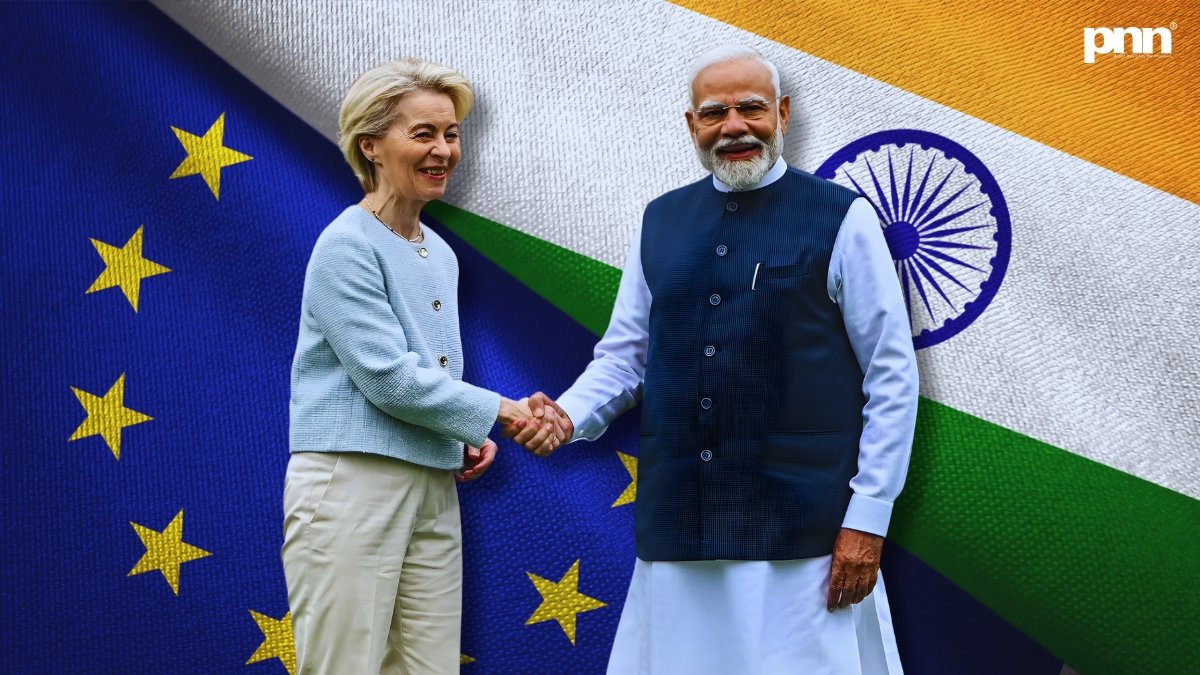
Mumbai (Maharashtra) [India], January 21: After nearly two decades of starts, stops and stalemates, the India-EU trade deal is suddenly real. Very real. And if Jefferies is right, Indian stock market investors should be paying attention now, not later.
The India-EU free trade agreement, stuck in diplomatic limbo since 2013, is finally approaching the finish line. Talks restarted in 2022. Momentum picked up quietly. Now it’s loud. Senior EU leadership is flying into New Delhi. Language has shifted from “working towards” to “on the cusp”. That’s diplomatic code for done, or almost.
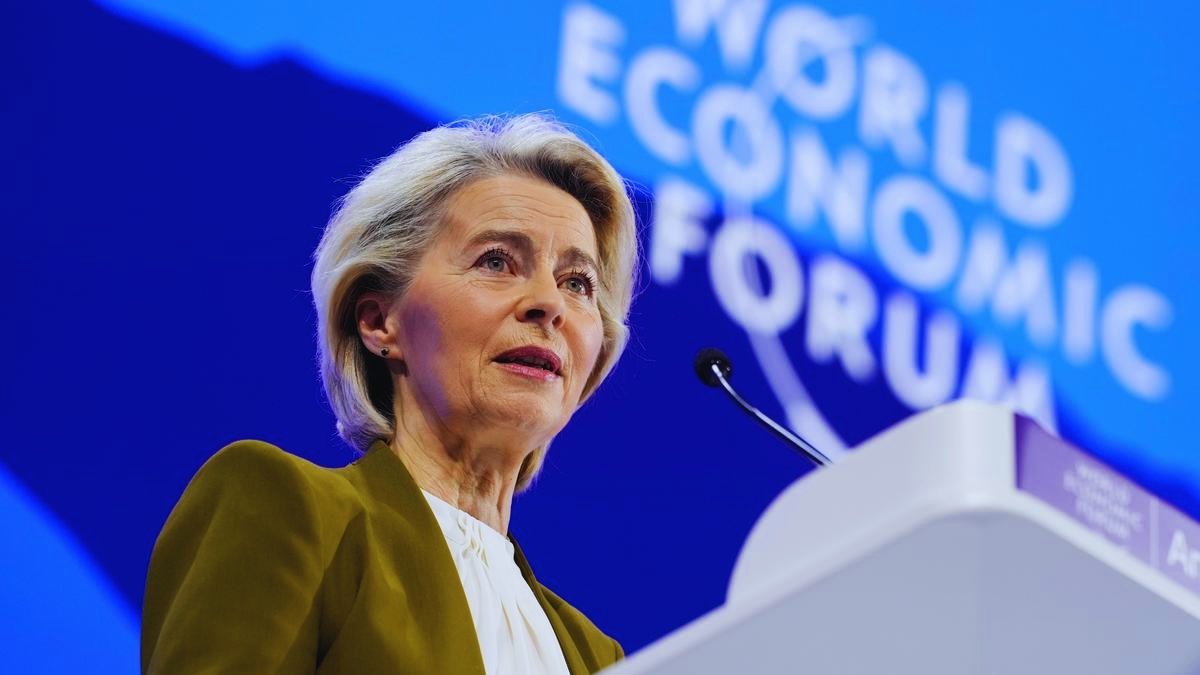
European Commission President Ursula von der Leyen has already called it the “mother of all deals”. No exaggeration. This pact would link two billion people and nearly a quarter of global GDP. For India, it also locks in deeper access to one of its largest, richest, and most rule-bound markets.
Jefferies, cutting through the hype, lays out what actually matters for investors. Four sectors stand out. Textiles. Autos. Electronics. Pharma and chemicals. Not evenly. Not instantly. But materially.
Why This India-EU Trade Deal Talk Matters More Than Past Headlines?
Let’s start with scale. India’s annual goods trade with the EU is about $130 billion. That’s roughly on par with India’s trade with China or the US. Exports alone run at an annualised $75 billion. That’s 17% of India’s total exports and close to 2% of GDP.
India also runs a comfortable surplus with the EU. Since 2022, Jefferies estimates that surplus at $10 to $15 billion, boosted by petroleum products and electronics after the Russia-Ukraine war scrambled global supply chains.
Services trade is even bigger. About $72 billion annually. India enjoys a $9 billion surplus there too.
In other words, this isn’t a symbolic deal. It’s commercial muscle.
And importantly, both sides appear aligned on what not to touch. Agriculture and dairy, politically radioactive on both ends, are likely to stay out. That single exclusion removes the biggest deal-breaker that killed talks a decade ago.
If you’re looking for the most obvious beneficiary of the India-EU trade deal, start with textiles.
The EU imports roughly $125 billion worth of textiles and apparel every year. India’s share? Just 5 to 6%. China dominates with 30%. Bangladesh and Pakistan together control about 20%.
Here’s the kicker. Bangladesh and Pakistan enjoy zero-duty access to the EU. Indian exporters don’t. They face tariffs of up to 10%. That gap has hurt for years.
An FTA levels the field.
Jefferies is blunt here. Bringing Indian textile duties in line with South Asian competitors would be a structural positive, especially at a time when the US market has turned hostile. The recent 50% US tariff shock has crushed competitiveness for Indian exporters there. Europe suddenly looks a lot more attractive.
This isn’t about demand magically exploding. It’s about margin recovery, order stability, and long-term contracts. Quiet wins. The kind markets like once the noise fades.
Autos are politically sensitive. Always have been.
European carmakers want better access to India’s passenger vehicle market, where import duties on fully built units can go up to 100%. That’s not changing overnight. Jefferies expects a more cautious path. Gradual tariff reductions. Possibly quotas for tariff-free imports.
Before domestic OEMs panic, context matters.
Most large European auto players already operate in India through CKD units or heavy localisation. That brings effective import duties closer to 30% for most models. Not trivial, but manageable.
Also, India’s entry-level and mid-segment car market is brutally competitive. Price sensitivity is unforgiving. European brands play higher up the curve. Market share erosion for Indian OEMs looks limited.
Right now, autos and auto components make up just 4% of India’s goods imports from the EU. Compare that with electronics at 25% and machinery at 20%. Perspective helps.
This part of the India-EU trade deal is about formalising a framework, not throwing the doors open.
Electronics and machinery don’t make headlines. They move numbers.
Jefferies highlights these segments as key import lines and major beneficiaries of deeper supply chain integration. Electronics account for 25% of India’s imports from the EU. Machinery adds another 20%.
This matters for India’s manufacturing ambitions.
Lower tariffs and smoother trade flows reduce input costs. They also improve reliability. That’s critical when companies are diversifying away from China and building alternative supply networks.
Then there’s aviation, sitting adjacent to this theme.
Basic customs duty on aircraft and parts currently ranges from 2.5% to 10%. An FTA could push that lower. The 5% IGST on aviation imports is mostly creditable, so customs duty is where the real relief sits.
Lower costs ripple through airlines, leasing, maintenance, and eventually ticket pricing. Not dramatic. Just meaningful.
Pharma is different.
India already enjoys zero or near-zero tariffs on most pharmaceutical exports to the EU. So no, this isn’t about headline duty cuts.
The friction is regulatory.
Indian pharma companies face additional compliance requirements to access the EU market. Inspections. Documentation. Approvals that move slowly and cost money.
Jefferies suggests the real upside here lies in easing these non-tariff barriers. Mutual recognition. Streamlined approvals. Fewer redundant hoops.
If the India-EU trade deal delivers even incremental progress on this front, it’s a quiet catalyst for pharma stocks. Not flashy. But durable.
Not everything is rosy.
The EU’s Carbon Border Adjustment Mechanism is coming. Jefferies sees little scope for dilution. Indian exporters will have to adapt. Period.
Services, though, are a brighter spot.
India is expected to push hard for easier movement of professionals, better visa access, and smoother services exports. Technology and medical professionals are front and centre here.
In return, the EU may seek greater access to India’s financial and legal services sectors. This mirrors the give-and-take seen in India’s recent FTA with the UK.
Some segments will feel more competition. Wines and spirits. Light engineering. That’s the trade-off.
India’s exports to the EU are currently led by petroleum products at 17%, pharma and chemicals at 15%, electronic goods at 11%, textiles at 10%, and machinery at 10%.
Jefferies’ base case is pragmatic. The India-EU trade deal won’t radically alter this mix overnight. It will lock it in. Then gradually accelerate it.
That’s how serious trade agreements work. Slow burn. Compounding benefits.
There’s also a strategic kicker. A successful India-EU pact raises the probability of future deals, including a potential India-US agreement using a similar template.
Not guaranteed. But the direction is clear.