When Couture Learns To Stay Put: Elie Saab’s India Entry Turns Fashion Into A Fixed Address
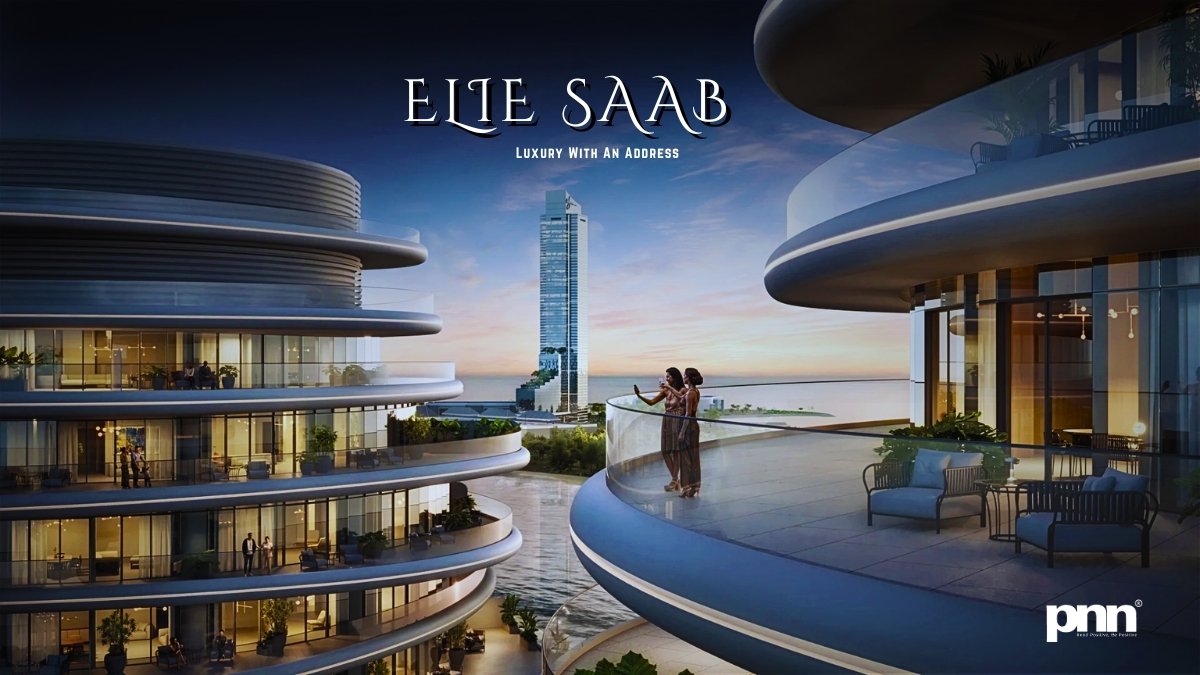
Mumbai (Maharashtra) [India], January 21: Luxury has always flirted with permanence, even when pretending to be seasonal. Runway collections vanish in months, trends expire faster than invitations, and yet the promise of luxury has always been about something lasting — legacy, lineage, and the quiet assurance that you’ve arrived. Elie Saab’s entry into India through branded residences feels less like a business expansion and more like a confession: fashion no longer wants to hang in your wardrobe; it wants to live with you.
This is not a sudden pivot. It’s a carefully timed escalation.
As global lifestyle brands increasingly move from selling aspiration to engineering environments, India — with its swelling cohort of ultra-high-net-worth individuals and culturally fluent luxury consumers — has become impossible to ignore. Elie Saab’s decision to anchor its aesthetic in Indian real estate is not merely about square footage. It’s about identity acquiring an address.
And yes, about marble, chandeliers, and the luxury of never having to explain your taste.
Luxury’s Quiet Realisation: Clothing Was Never Enough
Luxury fashion once thrived on scarcity. Limited editions, invite-only shows, whispered exclusivity. But the modern luxury consumer has evolved — or perhaps matured — into someone who seeks coherence across life, not fragments of indulgence.
What you wear, where you live, how you host, how you retreat — all of it is now part of a single narrative.
Branded residences are the logical extension of this mindset. They promise:
-
Design continuity
-
Lifestyle symbolism
-
A sense of belonging to a global aesthetic club
Elie Saab isn’t selling homes. It’s selling permanence wrapped in Parisian poise and Middle Eastern opulence, tailored carefully for Indian sensibilities.
India Was Always On The Mood Board
India’s luxury real estate market has been steadily transforming over the last decade. Demand for premium residences has risen sharply in metro cities and emerging luxury corridors, driven by:
-
Generational wealth consolidation
-
Entrepreneurial liquidity events
-
Return of global Indians seeking familiarity with finesse
Branded residences, once seen as indulgent novelties, are now status shorthand. They communicate discernment without explanation.
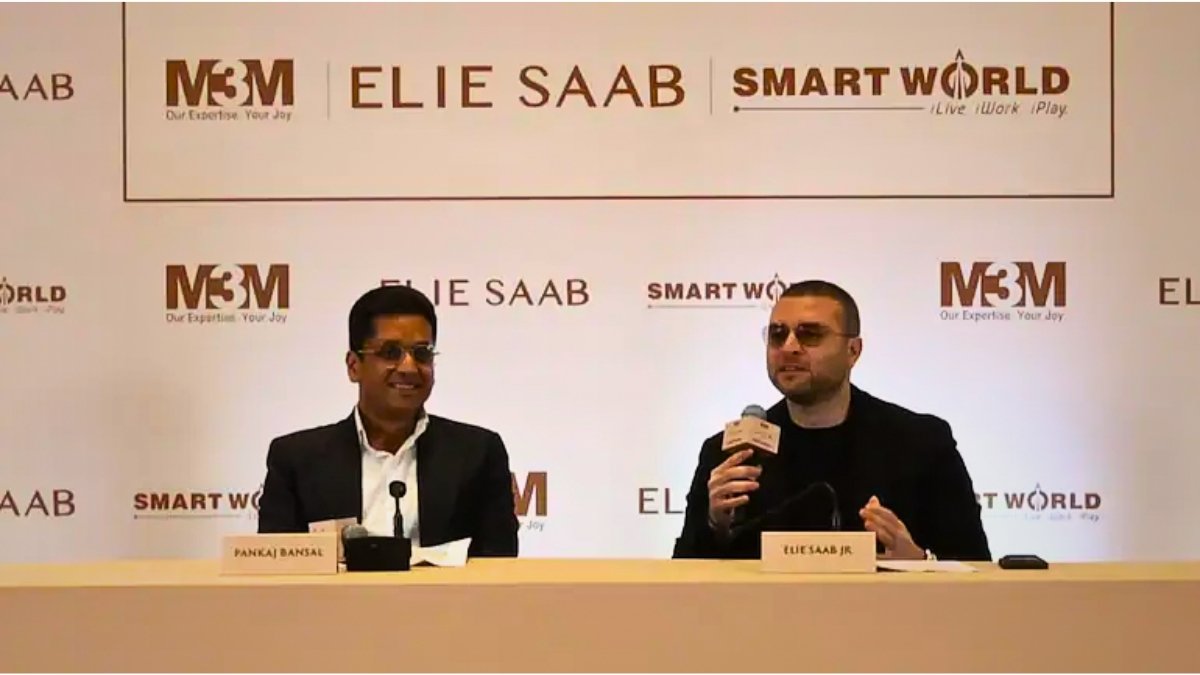
Elie Saab’s India entry signals that the market has reached a point where global fashion houses trust Indian buyers not just to purchase couture — but to inhabit it.
That’s a different level of confidence.
From Runway Drama To Residential Discipline
Translating couture aesthetics into livable spaces is not as effortless as press releases suggest. A gown can be dramatic. A home must be functional. The challenge for Elie Saab lies in restraint — knowing when to soften signature flamboyance into everyday elegance.
Early details suggest interiors that balance:
-
Signature detailing without visual fatigue
-
Neutral palettes punctuated by statement elements
-
Luxury that whispers instead of performing
This matters. Indian luxury consumers are increasingly allergic to excess masquerading as taste.
A chandelier can impress. Living with it every day is a different negotiation.
The PR Brilliance — And The Risk Beneath It
From a branding perspective, the move is impeccable. It positions Elie Saab not as a fashion house chasing relevance, but as a lifestyle architect shaping lived experience.
The positives are obvious:
-
Enhanced brand longevity
-
Deeper emotional engagement with consumers
-
Entry into a high-margin, low-churn asset class
But luxury real estate is not forgiving.
The Risks Include:
-
Brand dilution if execution falters
-
Market sensitivity to economic cycles
-
Overreliance on aspirational pricing in a value-aware market
Indian buyers may love labels, but they are pragmatic when it comes to real estate. Design alone does not justify premiums anymore. Location, delivery timelines, maintenance standards, and long-term resale value matter — obsessively.
Fashion brands entering this space are discovering that trust here is slower, quieter, and harder-earned.
Lifestyle Identity Now Comes With Maintenance Charges
One uncomfortable truth about branded residences is that lifestyle branding doesn’t end at possession. It continues monthly through service quality, upkeep, and community experience.
Luxury buyers are no longer impressed by brochures. They want:
-
Consistency post-handover
-
Service standards that age well
-
A living experience that doesn’t decline after the first year
This is where many branded residences globally stumble. The brand name attracts attention; operational discipline sustains reputation.
Elie Saab’s challenge in India won’t be selling homes. It will ensure that the lived reality matches the mythology.
The Cultural Undercurrent No One Is Saying Aloud
There’s also a subtle cultural shift embedded in this move. Luxury in India is becoming less about display and more about belonging — to a global design language, a shared aesthetic literacy, a quieter confidence.
Owning an Elie Saab residence isn’t about impressing guests. It’s about reassuring oneself.
That’s a powerful emotional lever — and a dangerous one if misused.
The Economics Of Aspiration
Industry estimates place branded luxury residences at a significant premium over comparable non-branded properties — often ranging between 20–40%, depending on location and services. Development costs rise accordingly, driven by bespoke design elements, imported materials, and brand licensing fees.
These homes are not meant for speculative flipping. They are designed for:
-
Long-term ownership
-
Portfolio diversification
-
Emotional return on investment
This aligns neatly with India’s new luxury buyer profile: less impulsive, more strategic, still indulgent — but selectively so.
Is This The Future Of Fashion Houses?
Almost certainly. Fashion brands entering hospitality, residences, and experiential living are not abandoning fashion. They are future-proofing relevance.
Clothes age. Homes endure.
For Elie Saab, India represents both opportunity and examination. Success here will quietly validate its transformation from fashion house to lifestyle institution. Failure will be remembered longer than a bad season.
Final Thought: Luxury Isn’t Moving In — It’s Settling Down
Elie Saab’s India debut in branded residences isn’t about expansion. It’s about anchoring identity in a market that understands legacy deeply.
This isn’t fashion flirting with real estate.
This is fashion admitting it wants to stay.
And in a world obsessed with movement, permanence might just be the most luxurious statement of all.